
I recently found myself facing a personal dilemma. A favour was being asked of me by one family member on behalf of another. The favour was massive and hit a great deal of my psychic wounds. My initial reaction was confusion until I woke up. I realised I was being caught in a manipulative game unconsciously conceived by a vulnerable narcissist. It’s easy to get hooked into these plays and not realise what’s going on till it’s too late. So, I thought it might be useful to explore this issue a little more, for my own and others sake!
Vulnerable narcissism
When we think of narcissists, we often think of a larger-than-life personality, someone boastful and grandiose but there is another type of narcissism which I think is just as a tricky to navigate. Vulnerable narcissists tend to be quiet, self-pitying, and emotionally fragile (on the surface) but within lies a core of insecurity, self-absorption, and an intense need for validation.
Manipulation
Vulnerable narcissism is often rooted in deep-seated feelings of inadequacy and hypersensitivity to rejection or criticism. They are often preoccupied with fears of abandonment and a need for excessive attention and admiration to feel valued.
The manipulation tactics they employ stem from these fears. By adopting a “poor me” stance or positioning themselves as victims of life’s circumstances, they make others feel obligated to care for them, both emotionally and physically. This can create a cycle where the vulnerable narcissist demands attention and validation, while the people around them feel drained, confused, or responsible for managing their emotional needs.
These individuals often manipulate others not through outward aggression, but by employing more subtle tactics like guilt-tripping, passive aggression, emotional dependency, and playing the victim. Their goal is to secure constant reassurance and admiration, and they might do so by fostering a sense of obligation in others, leaving them feeling responsible for the narcissist’s well-being.
An example could be that a vulnerable narcissist endlessly complains about how little money they have (when it might not be true and with no intention of doing anything about it themselves) to someone, who then feels pity and so gives them money in response. Essentially the narcissist guilt trips the other person by playing the victim. Anyone who knows this personality type well, will know the generous donation never fixes the issue, it pretty much only encourages further manipulative behaviour.
I’ve also witnessed a vulnerable narcissist use family members as agents to do their bidding so that their requests for help are never overt and they experience a sense of control over the relational dynamics of the wider family group.
Don’t get hooked!
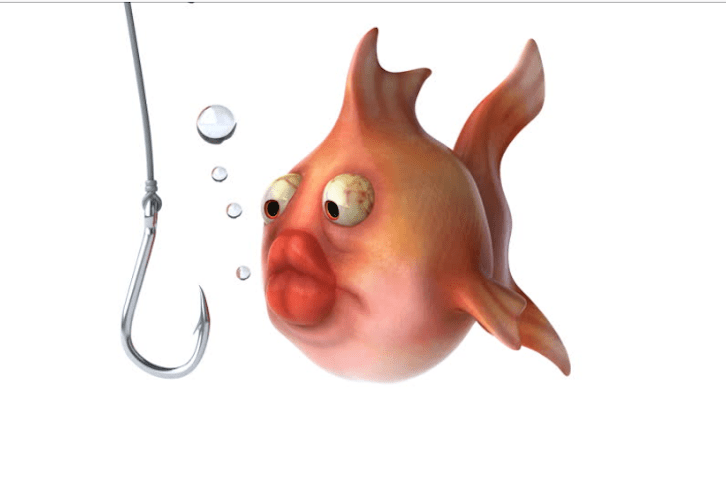
For my own personal protection, I often hold an image in mind when it comes to managing vulnerable narcissists and the unconscious games they play. The image is of a fish looking at a fishhook wondering if they’ll take the bait and get caught. The image reminds me that it is my choice if I decide to get hooked and that I can choose to do something different and not collude with the manipulation.
My top tips on not getting hooked are:
- Get aware – becoming aware and conscious of the games at play is key to taking some positive healthy action for yourself. Get to know the tactics and the dynamics and then you’ll be able to spot quickly when such a game is being played.
- Boundaries, boundaries, boundaries! – vulnerable narcissists often push boundaries to get what they want. It’s important to establish and maintain clear boundaries in your interactions with them. Be firm but kind in saying “no” when you need to and avoid feeling guilty for taking care of yourself.
- Don’t collude – it’s very easy to become enmeshed in the victim narrative. If you’re a lovely, kind, compassionate person its only natural to offer support, empathy etc to someone in need (that’s a good thing). But this victim narrative is a manipulation which will only get worse with collusion and attention, not better. By buying into the narrative, we only provide evidence to the vulnerable narcissist that their games are working and so the toxic cycle continues.
- Get support – Dealing with a vulnerable narcissist can be draining, and it’s important to seek support from friends, family, or a therapist. Talking to someone who understands the dynamics of narcissism can provide a valuable perspective and help you stay grounded and awake!
As an aside I appreciate my take on vulnerable narcissists may come across as pretty negative. I feel a great deal of empathy for people with these ways of being. It seems so sad to me that they have had to develop these unconscious tactics to get their needs met. For me vulnerable narcissists are quite lonely souls who struggle with genuine connection (and often never understand why). As American psychologist, Stephen Johnson explains “the narcissistic person, no matter how disagreeable he may be initially or from time to time, deserves love like all other human beings.”
Photo by Vince Fleming on Unsplash
 Suzie Chick
Leave a comment