“I am not what happened to me, I am what I choose to become.” Carl Jung
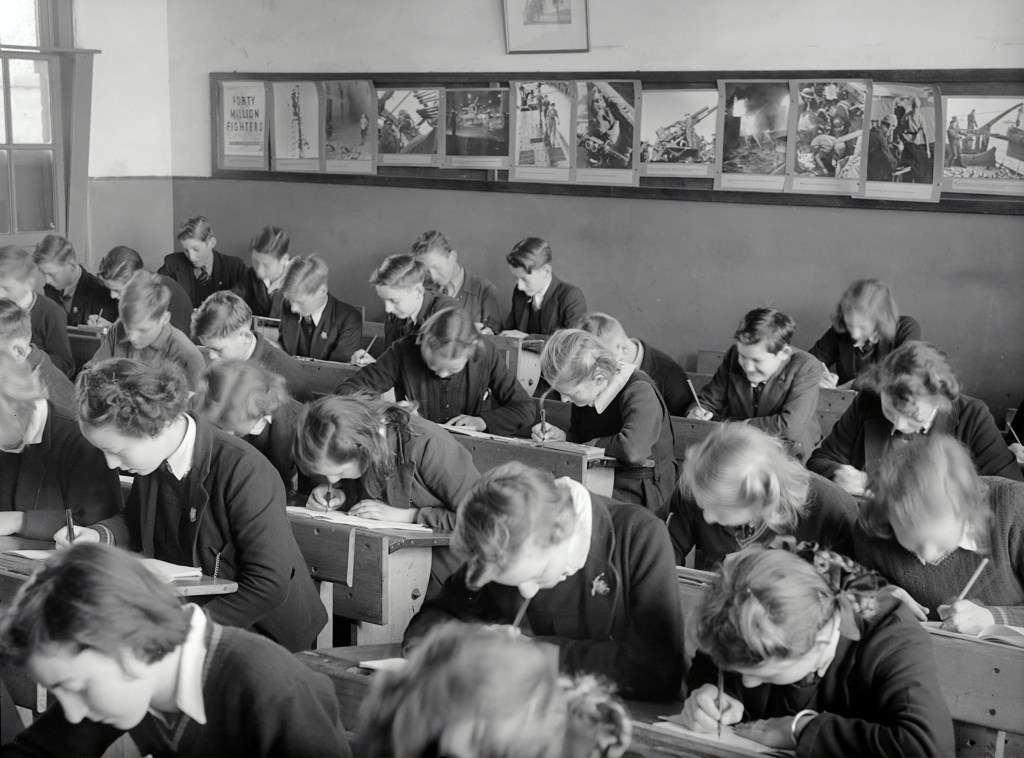
Later this month, I am returning to my old school for an alumni event. It’s a place I’ve not been back to in a very long time. I’ve made various excuses over the years as to why I’ve not attended any number of the events the school puts on for its former pupils, but in truth I felt extremely reluctant to go “back to school”.
My reluctance reflects many aspects of my experience at this school and the impact it left on me. As you can probably tell, it wasn’t all sunshine and rainbows. A mixed experience would be the best description. It’s no wonder I’ve been avoiding a direct confrontation with the past ever since. But I am also aware that sometimes avoidance isn’t a great long-term strategy as it allows something to have a sense of power or control over us that is out of proportion with reality.
It’s got me thinking about the power a physical place can hold in our psyche and memory and what it might mean to revisit places of significance.
Psychogeography
For years I’ve had an interest in the study of psychogeography (literally where psychology and geography collide).
Psychogeography is concerned with the impact of geographical location on emotion and behaviour. This field of study is often linked to the urban environment, but I like to expand its use to include other physical sites. As psychotherapist Chris Rose explains; “identity is tied to place. The environment is not the backdrop; it is woven through our identity.” You cannot consider an individual in isolation to their environment, it all has a part to play.
Where we are physically can have an impact on our mood, thoughts, feelings and behaviours. It’s why us therapists are so precious about our consulting rooms. We aim to provide a safe and calm environment so our clients can in turn begin to feel safe and calm in their work with us.
In light of psychogeography, I wonder how being at school, impacted me. The environment, for me, felt at times oppressive and claustrophobic. After school I chose a non-campus London university maybe in response to the environment I had come from. I even deferred my degree by a year so I could reclaim my personal space (both psychic and physical).
Places and memory
Inside our brain, we have the hippocampus which is responsible for memory and learning. In fact, we have two of these, one on the left side of the brain and the other on the right.
The hippocampus converts short-term memories to long-term ones by processes of organising, storing and retrieval. It is during experiences of trauma that the hippocampus shuts down and it is the amygdala in the brain which records memory (meaning it doesn’t get filed away properly). The hippocampus essentially helps label our memories in time and place. It also helps with spatial memory and is part of our limbic system that helps regulate our senses, emotions and automatic behaviours (such as heart rate).
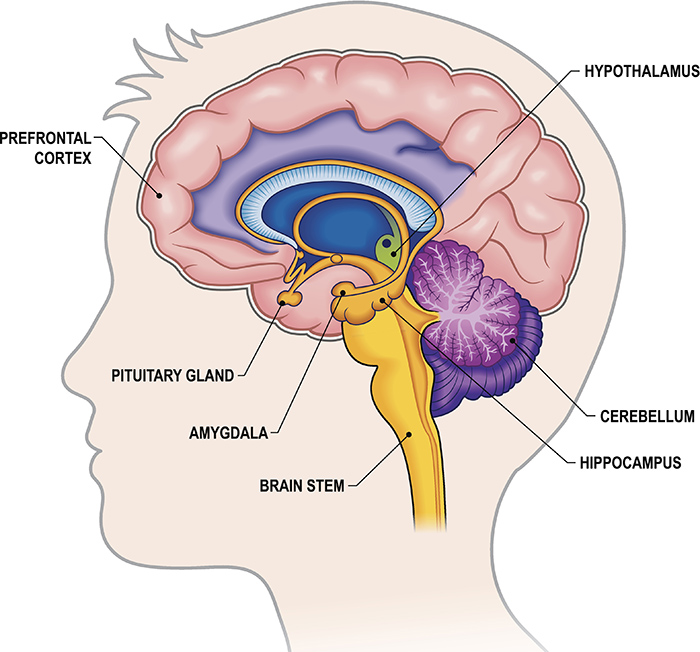
Memories come flooding back when we return to physical places as the hippocampus is triggered and the neural pathways first formed in the specific memory are activated. This process is known as context-dependent memory. But unlike traumatic memories which haven’t been stored away properly, the memories triggered in the hippocampus are in context, we know that they are from our past.
Confronting the past
When we come into direct contact with reminders of our past, be it physically with place or flicking through the photo album or hearing music from days gone by, our younger selves often come to the fore. I believe we are like a set of Russian dolls; our younger selves all continue to exist as we age and can be brought forward in various circumstances.

My younger self who walked the many long corridors of school will certainly be very present within me when I attend the alumni event. I’m not sure how this younger part of me will feel being reminded of places long forgotten. I anticipate a mix of nostalgia and trepidation.
It will be important for my present adult self to be at the wheel of my psyche, helping my younger self navigate this experience. And I feel Jung’s quote above, that our past doesn’t define us, and that we can chose what we become will be a helpful reminder for me to remain stable and steady.
Photo by Museums Victoria on Unsplash
 Suzie Chick
Leave a comment